
When that massive oak finally comes down, you’re not left with a crater in your yard and a pile of paperwork. You get a clean, level space ready for whatever comes next—whether that’s a new garden, expanded patio, or just peace of mind knowing that 60-foot hazard isn’t hanging over your house anymore.
No more sleepless nights during storm season. No more worried glances at those cracked branches swaying over your roof. Just a clear, safe property where you can actually enjoy your outdoor space again.
The permit headache disappears too. While your neighbors are still figuring out eTRAKiT applications and waiting for city arborist appointments, your tree is already gone and your replacement is planted.
We’ve been serving the Bay Area for years, and we know Belmont’s unique tree challenges. From the coastal live oaks that dominate the hillsides to the aging eucalyptus trees in older neighborhoods, we’ve handled them all.
We understand Belmont’s Tree Ordinance inside and out. While other contractors fumble through permit applications, we navigate the process smoothly. We know which trees need permits, how to handle emergency situations, and what replacement requirements you’ll face.
Our team has worked in every Belmont neighborhood—from the tree-lined streets of Belmont Heights to the newer developments in Sterling Downs. We’ve seen how different soil conditions, microclimates, and local regulations affect tree removal projects, and we bring that experience to every job.
First, we assess your tree and determine if you need a permit. For emergency situations where the tree poses immediate danger, we can expedite the permit process through Belmont’s eTRAKiT system. Non-emergency removals follow the standard process—we handle the application and coordinate with the city arborist.
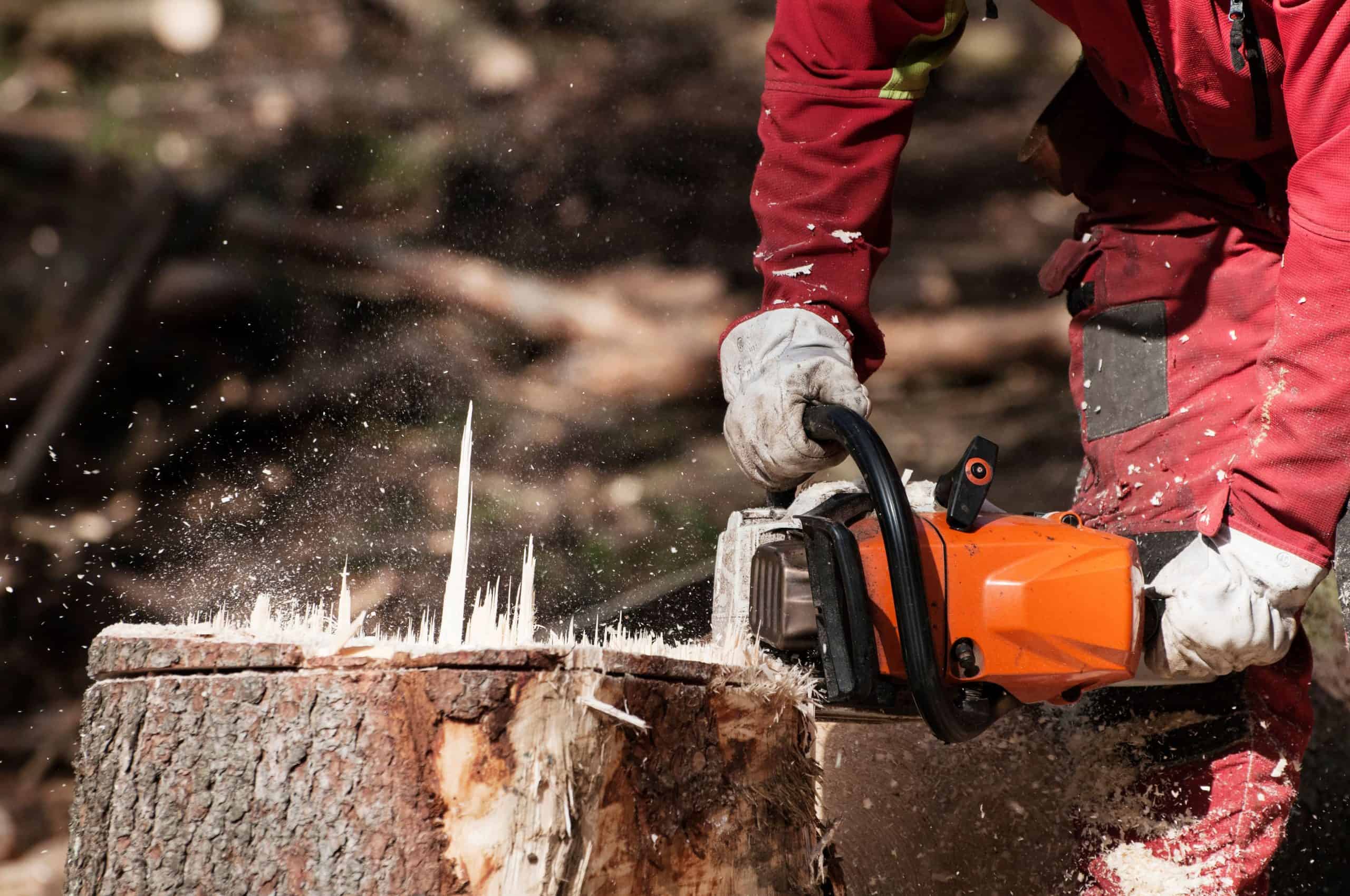
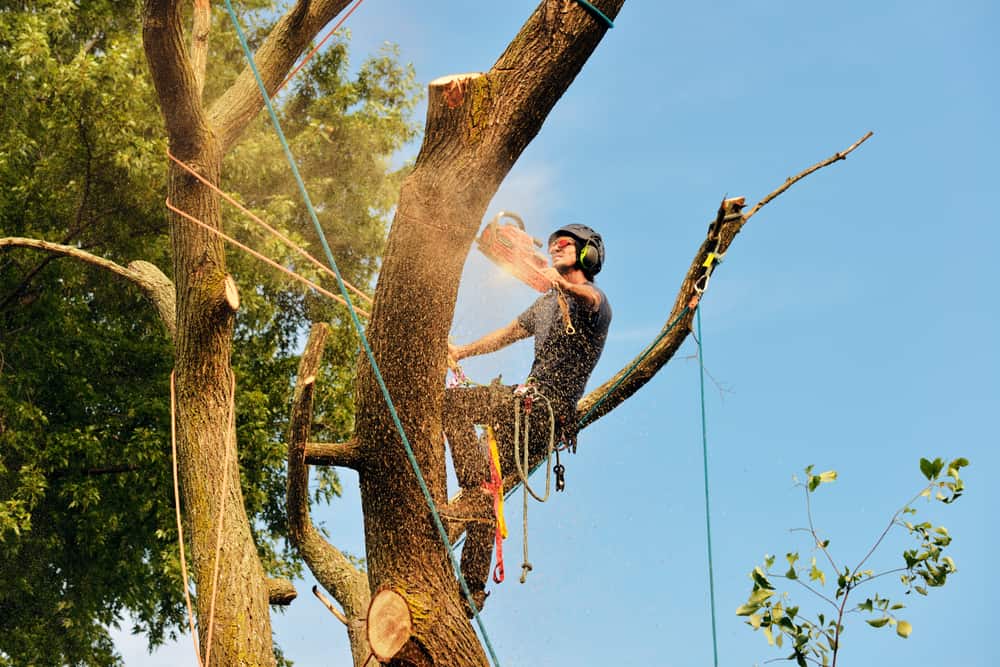
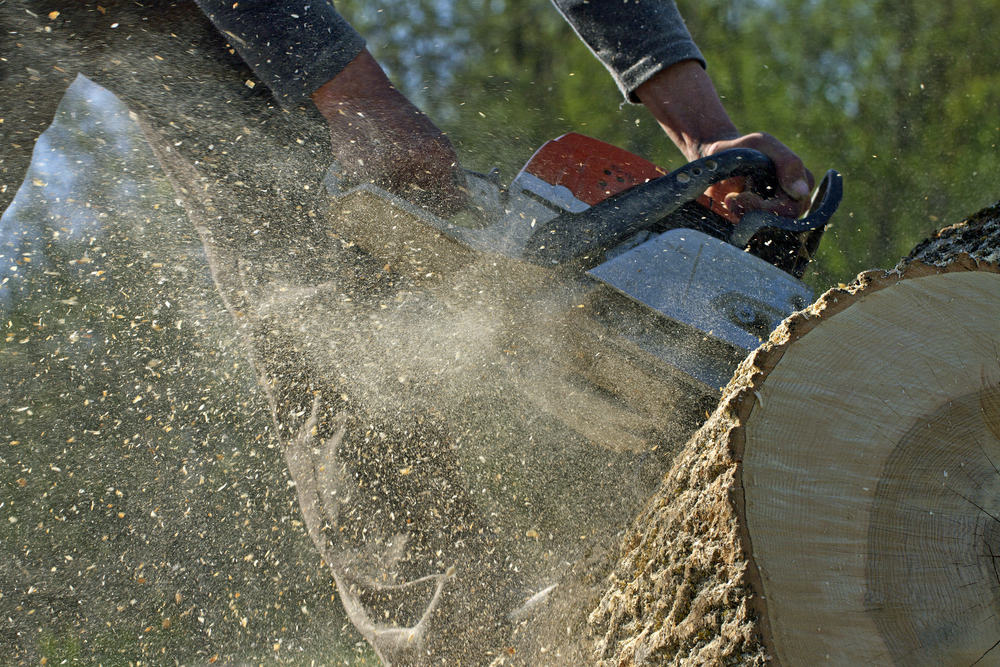
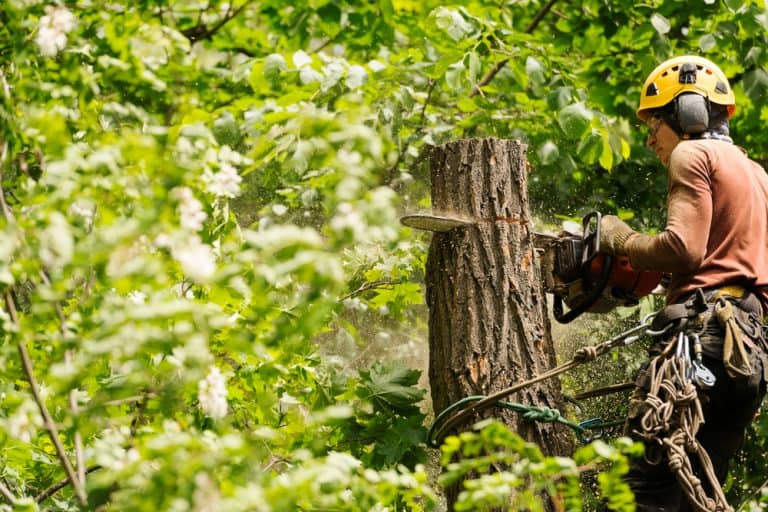
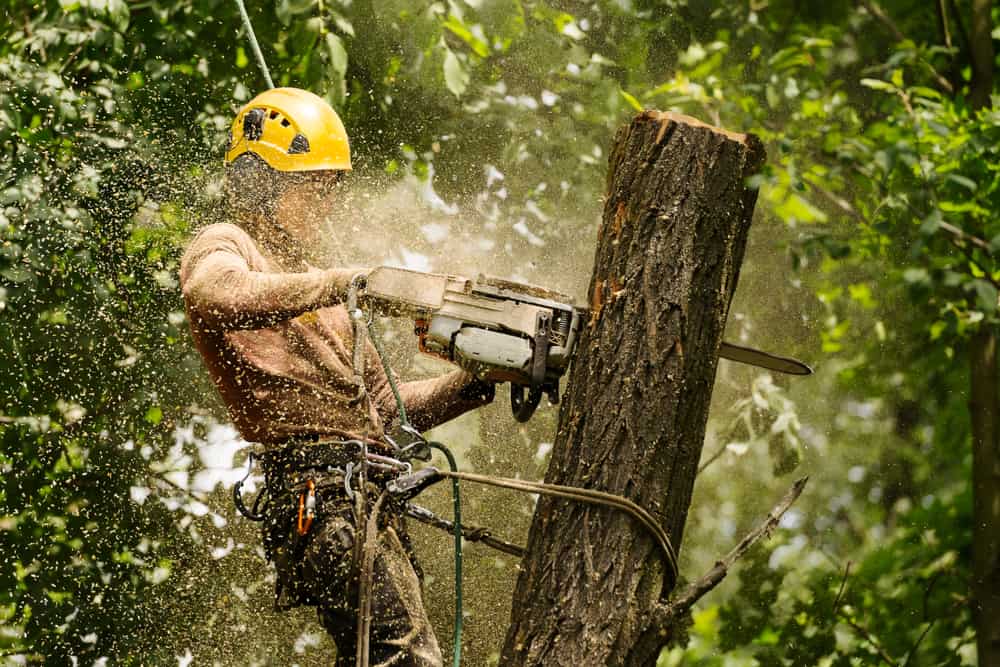
Once permits are approved, we schedule the removal at your convenience. Our crew arrives with professional equipment, including cranes for large trees and specialized rigging for tight spaces. We section the tree safely, protecting your property and surrounding landscape.
After removal, we grind the stump below ground level and clean up completely. If you need a replacement tree to satisfy city requirements, we can handle that too—or you can pay the $611 in-lieu fee. Either way, we close out your permit properly so you’re fully compliant.
Ready to get started?
Our Belmont tree removal service covers everything from emergency storm damage to planned landscape improvements. We handle hazardous trees threatening structures, diseased trees spreading problems to healthy ones, and removals needed for construction or renovation projects.
Belmont’s unique location creates specific challenges. The coastal influence means dealing with wind-damaged trees, while the hillside properties require specialized equipment for access. We’re equipped for both scenarios, with crane services for difficult removals and expertise in working around Belmont’s mature landscaping.
We also understand local tree species. Coast live oaks, valley oaks, and redwoods are protected under city ordinance, requiring careful permit navigation. Invasive species like trees affected by Sudden Oak Death—the biggest threat to Belmont’s urban forest—often qualify for expedited removal. We know the difference and handle each situation appropriately.
Most tree removals in Belmont require permits, especially for protected species like coast live oaks, valley oaks, and redwoods with trunks 10 inches or larger. The city also regulates “large diameter trees” with trunks 14 inches or bigger regardless of species.
You don’t need permits for dead trees, trees damaged by storms, or those posing immediate safety hazards. Trees affected by Sudden Oak Death, the invasive disease threatening Belmont’s urban forest, typically qualify for expedited removal without the standard waiting period.
The permit process involves submitting an application through Belmont’s eTRAKiT system, followed by an on-site assessment from the city arborist within 72 hours. Once approved, you have 60 days to complete the removal and must plant a replacement tree or pay a $611 in-lieu fee per tree removed.
Tree removal in Belmont averages $1,036 per tree, which is about 19% higher than the national average due to local regulations, permit requirements, and the complexity of working in established neighborhoods. Small trees under 30 feet typically cost $400-600, while large trees over 60 feet can reach $1,200-1,500.
Several factors affect pricing in Belmont specifically. Permit fees, replacement tree requirements, and the need for specialized equipment on hillside properties all add to costs. Trees near power lines or in tight spaces between houses require more careful removal, increasing labor time and equipment needs.
Emergency removals often cost more due to urgency and after-hours work, but Belmont waives permit fees for genuinely hazardous situations. Stump grinding adds $200-400 depending on size, and replacement tree planting or the in-lieu fee adds another $300-611 to your total project cost.
Emergency permits in Belmont are for trees that pose immediate danger—those that are failing or likely to fail very soon, potentially injuring people or damaging property. These situations get expedited processing through the eTRAKiT system, and the city waives permit fees entirely.
Regular permits follow the standard process: application submission, 72-hour wait for arborist scheduling, on-site assessment, and then approval or denial based on tree condition, species, and location. This process typically takes 1-2 weeks from start to finish.
The key difference is urgency and immediate threat. A tree with a major crack threatening your house qualifies for emergency status. A healthy tree you want removed for landscaping does not. Emergency permits still require proper documentation and photos showing the hazardous condition, but they bypass the normal waiting periods to protect public safety.
Yes, and these removals are often prioritized because Sudden Oak Death is the most serious invasive threat to Belmont’s urban forest. Trees confirmed to have this disease typically qualify for expedited removal permits since they pose both immediate safety risks and long-term ecological damage.
Sudden Oak Death primarily affects coast live oaks, valley oaks, and other oak species common in Belmont’s hillside neighborhoods. The disease causes rapid decline, making infected trees structurally unstable and dangerous. Early removal prevents spread to healthy trees and eliminates the safety hazard.
We work with certified arborists who can identify SOD symptoms and provide the documentation needed for permit approval. Because these removals serve both safety and environmental protection purposes, they often receive faster processing through Belmont’s permit system and may qualify for fee waivers or reduced replacement requirements.
Yes, we can handle both options Belmont offers for replacement requirements. We can plant the required 15-gallon replacement tree from the city’s approved species list, or we can facilitate payment of the $611 per tree in-lieu fee if you prefer not to replant on your property.
The replacement requirement applies to most permitted tree removals in Belmont. The city maintains a list of preferred species that are native, drought-tolerant, and locally adapted. Popular choices include coast live oak, valley oak, madrone, and bay laurel—all species that thrive in Belmont’s climate and soil conditions.
We coordinate with local nurseries to source healthy specimens and handle the planting process, including proper soil preparation and initial care instructions. If you choose the in-lieu fee option, those funds support citywide tree planting and urban forest maintenance programs, so you’re still contributing to Belmont’s tree canopy even if you don’t replant on your property.
The timeline depends on whether you need permits and the complexity of your removal. Emergency situations can often be handled within 24-48 hours once we document the hazard and get expedited approval. Regular permitted removals typically take 2-3 weeks from initial application to completion.
The permit process itself takes about 1-2 weeks: application submission, 72-hour wait for arborist contact, on-site assessment scheduling, and approval processing. Once approved, you have 60 days to complete the actual removal, giving you flexibility to schedule around weather and your convenience.
The physical removal usually takes 1-2 days depending on tree size and site conditions. Large trees or those in tight spaces near structures may require additional time for careful sectioning. We include stump grinding and complete cleanup in our timeline, so when we’re finished, your permit can be closed immediately with replacement planting or in-lieu fee payment.
Other Services we provide in Belmont